


 Buying a new home is one of the most complicated purchases consumers may make in their entire lifetimes. It is complicated by the fact that it happens relatively rarely over the course of time, and homebuyers develop little skill in the aspects involved.
One of the most common decisions associated with purchasing a home is acquiring the appropriate amount and type of homeowners insurance. This, too, is often done infrequently as homeowners will often secure insurance at the time of purchasing their home, and unless they have a claim, will tend to forget about it. This is particularly true if the insurance premium is included along with the mortgage and/or bundled with property tax payments. Policies become “invisible” to consumers until they
… First-time home buyers are sometimes surprised by the additional costs that are involved in purchasing real estate. The actual amount of upfront and settlement charges seems to mount steadily, and the total can add up to between two and four percent of the home's purchase price, in addition to required down payment. Some charges and fees are unavoidable, even if the buyer pays cash.
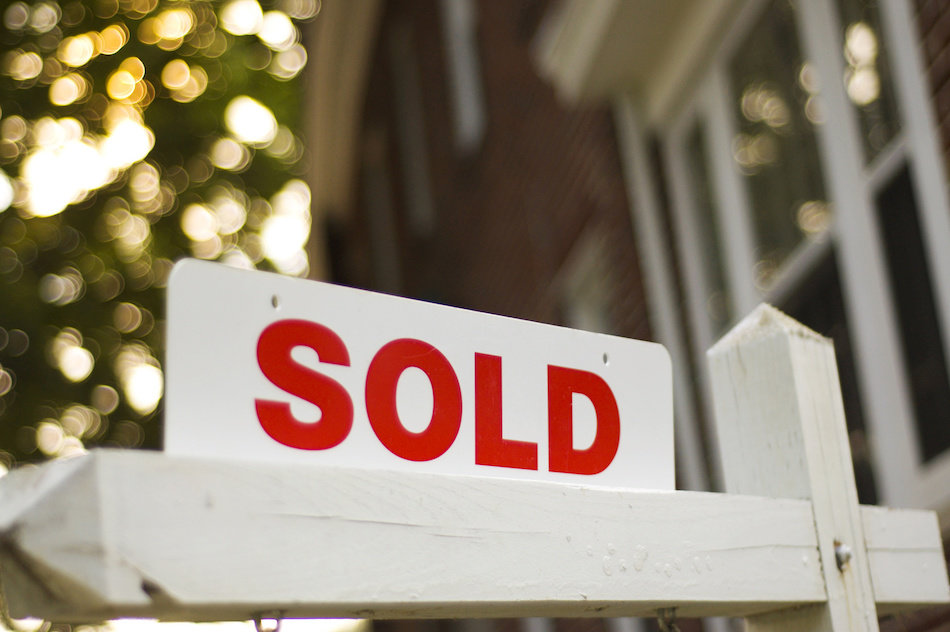 Sellers who are getting ready to let go of their property first have to determine what type of market they're in. In primary markets, it's clear that sellers have an advantage. In others, the upper hand goes straight to the buyer. There are a number of ways to spot a buyer's market even if sellers aren't real estate experts—For Sale signs sit out for months, abandoned homes are common, and valuations continue to drop every year. But sellers can still exercise control, even when their prospects seem dire.